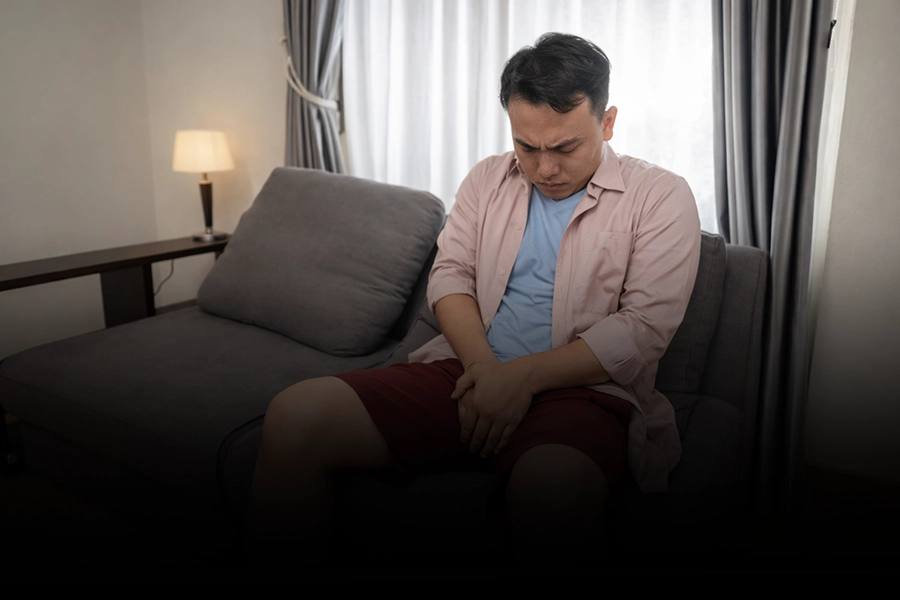
Sex is often portrayed as something that should happen naturally and effortlessly. However, for many men, especially during their first sexual experience, anxiety can overshadow excitement. One of the most common outcomes of this nervousness is early ejaculation. If you’ve ever wondered why first-time anxiety often leads to early ejaculation, you’re not alone.
Premature ejaculation (PE) is one of the most common male sexual concerns worldwide. While it can affect men of all ages, it is especially common during initial sexual experiences. The good news? In many cases, it’s temporary and manageable once you understand the connection between anxiety and sexual performance.
Let’s explore the psychological and physical reasons behind this issue and what can be done to overcome it.
Understanding First-Time Anxiety
First-time anxiety refers to the nervousness or stress experienced before or during a first sexual encounter. This anxiety may stem from:
- Fear of underperforming
- Worry about satisfying a partner
- Unrealistic expectations shaped by media or pornography
- Lack of sexual experience
- Concern about body image
- Cultural or social pressure
When these thoughts take over, the body reacts physically — and not always in a helpful way.
Sexual performance is closely tied to mental state. If your mind is tense, your body will likely respond the same way.
How Anxiety Triggers Early Ejaculation
To understand why first-time anxiety often leads to early ejaculation, we need to look at how the body responds to stress.
- The Fight-or-Flight Response
When you’re anxious, your body activates the sympathetic nervous system — commonly known as the “fight-or-flight” response. This releases stress hormones like adrenaline.
Adrenaline increases heart rate, breathing speed, and muscle tension. While this response is helpful in dangerous situations, it works against sexual control.
During intercourse, heightened adrenaline can:
- Increase sensitivity
- Reduce ejaculatory control
- Speed up climax
As a result, ejaculation may occur sooner than expected.
- Overstimulation from Excitement + Nervousness
For many men, the first sexual experience combines intense excitement with nervous tension. This double stimulation can overwhelm the body.
If you’re already mentally counting seconds, worrying about “lasting long enough,” or constantly monitoring your performance, you’re not relaxed. Instead of enjoying the moment, your focus shifts to control — which ironically makes control harder.
- Lack of Sexual Experience
Experience plays a major role in ejaculatory control. Men who are new to sexual activity:
- Haven’t learned their arousal patterns
- May not recognize their “point of no return”
- Often lack techniques to slow down
With time and familiarity, most men naturally gain better control.
- Psychological Pressure to Perform
Performance anxiety is one of the strongest premature ejaculation causes in young men. Thoughts like:
- “What if I finish too quickly?”
- “Will she think I’m bad in bed?”
- “Am I doing this right?”
These intrusive thoughts create a cycle:
Anxiety → Early Ejaculation → Embarrassment → More Anxiety Next Time
Breaking this cycle is essential for long-term improvement.
Is Early Ejaculation During First Time Normal?
Yes — very normal.
Many men experience early ejaculation during their first few sexual encounters. In most cases, it improves as:
- Comfort increases
- Anxiety decreases
- Communication improves
- Sexual confidence builds
Occasional early climax is not a medical disorder. It becomes a concern only when it happens consistently and causes distress.
The Brain-Sex Connection
Sexual performance isn’t just physical — it’s neurological.
Serotonin, a brain chemical, plays an important role in delaying ejaculation. Low serotonin levels are linked to faster climax.
Anxiety can interfere with serotonin balance, contributing to reduced ejaculatory control. That’s why certain PE treatment options target serotonin levels to improve stamina.
How to Stop Early Ejaculation Caused by Anxiety
If first-time anxiety and early ejaculation are affecting you, here are practical strategies to regain control.
- Focus on Relaxation Before Intimacy
Deep breathing, meditation, or light exercise before intimacy can calm your nervous system.
Even simple techniques like:
- Slow breathing (inhale 4 seconds, exhale 6 seconds)
- Progressive muscle relaxation
- Mindfulness practices
can significantly reduce anxiety levels.
- Shift Focus Away from Performance
Instead of focusing on “lasting longer,” focus on:
- Sensations
- Emotional connection
- Partner communication
Sex isn’t a stopwatch competition. When the mind relaxes, the body follows.
- Use the Start-Stop Technique
This method helps improve control over time:
- Stimulate until you feel close to climax
- Pause for 20–30 seconds
- Resume once the urge decreases
Practicing this regularly trains your body to recognize and manage arousal levels.
- Try the Squeeze Technique
When nearing ejaculation, gently squeezing the base of the penis can temporarily reduce arousal and delay climax.
This technique requires practice but can be effective for many men.
- Improve Communication with Your Partner
Open communication reduces pressure. When both partners understand that early ejaculation can happen due to nervousness, it removes unrealistic expectations.
Supportive partners often make a huge difference in reducing performance anxiety.
When to Consider PE Treatment Options
If early ejaculation continues beyond initial experiences or causes significant stress, professional guidance may help.
Some men explore PE treatment options such as:
- Behavioral Therapy
Sex therapy can address performance anxiety and teach practical control techniques.
- Counseling
If anxiety stems from deeper self-esteem or relationship issues, therapy can be beneficial.
- Medication Support
Certain medications are prescribed to improve ejaculatory control. For example:
- Dapoxetine tablets
- Priligy for PE
Dapoxetine works by increasing serotonin levels, helping delay ejaculation and improve confidence. It is often used as an on-demand treatment under medical supervision.
Medication should always be taken responsibly and preferably after consulting a healthcare professional.
Building Long-Term Sexual Confidence
The key to overcoming first-time anxiety and early ejaculation lies in confidence-building.
Here are long-term habits that help:
- Regular physical exercise
- Healthy sleep patterns
- Reduced pornography consumption
- Stress management
- Limiting alcohol and smoking
A healthy lifestyle supports better sexual performance naturally.
Breaking the Psychological Loop
Remember this: one early experience does not define your sexual ability.
Many men create long-term anxiety from a single rushed encounter. The mind starts anticipating failure, which increases the likelihood of it happening again.
Instead:
- View it as a learning experience
- Avoid self-criticism
- Focus on improvement, not perfection
Confidence grows through experience — not through fear.
When to Seek Medical Advice
Consult a healthcare provider if:
- Ejaculation occurs within one minute consistently
- The issue persists for several months
- It causes relationship distress
- You feel unable to control climax at all
A doctor can determine whether it’s psychological, physical, or a combination of both.
Final Thoughts
First-time sexual experiences often come with excitement, curiosity, and nervousness. When anxiety takes control, early ejaculation can follow — but this is common and usually temporary.
Understanding why first-time anxiety often leads to early ejaculation helps remove shame and confusion. Anxiety triggers stress hormones, increases sensitivity, and reduces control — but these effects can be managed.
With relaxation techniques, practice, open communication, and, when needed, appropriate PE treatment options like dapoxetine tablets or Priligy for PE, most men regain confidence and control.
Sexual performance improves with comfort, experience, and mental calmness. Instead of fearing the moment, focus on connection, communication, and growth.
Confidence doesn’t happen overnight — but it does happen.