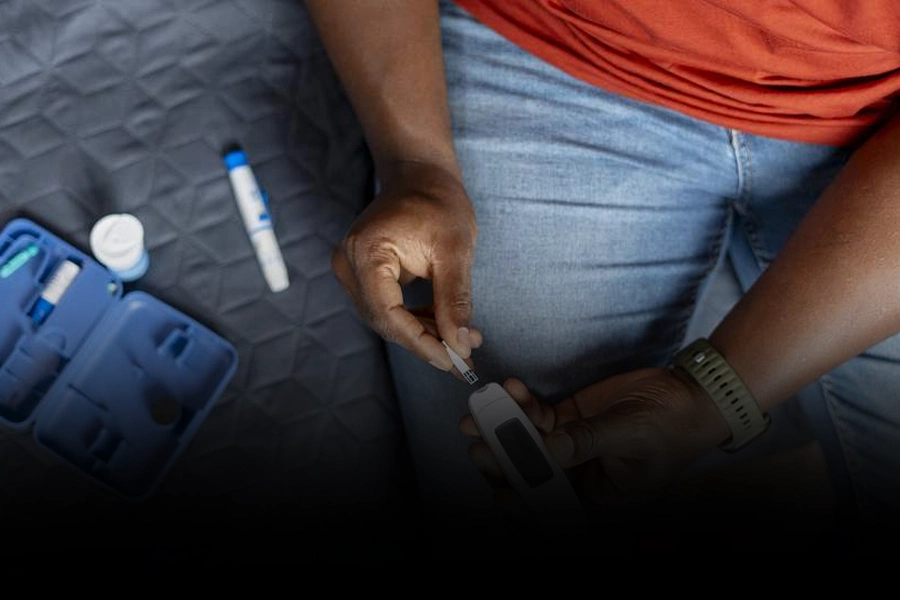
Diabetes is one of the most common chronic health conditions worldwide, affecting millions of men across different age groups. While most people are aware that diabetes can lead to complications such as nerve damage, kidney problems, and vision issues, many do not realize that it is also strongly linked to erectile dysfunction (ED). Studies suggest that men with diabetes are two to three times more likely to develop erectile dysfunction compared to men without diabetes.
Understanding how diabetes affects sexual health, recognizing early warning signs, and exploring effective treatment options can help men maintain both their overall health and quality of life. In this article, we explain the connection between diabetes and erectile dysfunction in detail and discuss ways to manage and treat the condition effectively.
What Is Erectile Dysfunction?
Erectile dysfunction is the inability to achieve or maintain an erection firm enough for satisfactory sexual activity. While occasional difficulty is normal, persistent erection problems may indicate an underlying health issue such as diabetes, cardiovascular disease, hormonal imbalance, or psychological stress.
ED can develop gradually and may initially appear as:
- Difficulty achieving erections
- Reduced firmness of erections
- Erections that do not last long enough
- Reduced sexual desire in some cases
When ED occurs in men with diabetes, it is often due to a combination of vascular, neurological, and hormonal factors.
How Diabetes Causes Erectile Dysfunction
Diabetes affects multiple systems in the body, many of which play a crucial role in sexual function. The most important mechanisms include:
1. Damage to Blood Vessels (Poor Blood Flow)
An erection depends on proper blood flow to the penile tissues. High blood sugar levels over time damage blood vessels, causing them to narrow and stiffen. This condition, known as diabetic vascular disease, reduces the amount of blood that can reach the penis, making it difficult to achieve or maintain an erection.
Because penile arteries are smaller than coronary arteries, erection problems often appear earlier than heart disease symptoms, making ED an early warning sign of cardiovascular complications.
2. Nerve Damage (Diabetic Neuropathy)
Diabetes can damage the nerves responsible for triggering erections. When nerve signals between the brain and the penis are disrupted, the body cannot properly respond to sexual stimulation. This nerve damage is known as diabetic neuropathy and is a major contributor to ED in diabetic patients.
3. Hormonal Changes
Men with poorly controlled diabetes may experience reduced testosterone levels. Low testosterone can decrease sexual desire and contribute to erection difficulties. Hormonal imbalance combined with vascular and nerve damage significantly increases the risk of erectile dysfunction.
4. Psychological Factors
Living with diabetes can cause stress, anxiety, and depression, all of which can negatively affect sexual performance. Fear of failure during sexual activity can also worsen erection problems, creating a cycle of psychological ED.
How Common Is Erectile Dysfunction in Men with Diabetes?
Research indicates that 35% to 75% of men with diabetes experience erectile dysfunction at some point in their lives. Additionally, men with diabetes tend to develop ED 10–15 years earlier than men without diabetes.
Risk increases when:
- Blood sugar levels remain uncontrolled for long periods
- The duration of diabetes is longer
- Smoking, obesity, or high blood pressure is present
- Physical activity levels are low
- Cholesterol levels are high
Maintaining proper diabetes management significantly lowers the risk of sexual health complications.
Warning Signs That Diabetes May Be Causing ED
Men should consider diabetes-related causes if they experience:
- Gradual onset of erectile problems
- Reduced sensation in the genital area
- Poor morning erections
- Difficulty maintaining erections consistently
- Other diabetes symptoms such as frequent urination, excessive thirst, or fatigue
Early medical evaluation is important because treating the underlying condition can improve sexual function.
Can Erectile Dysfunction Be the First Sign of Diabetes?
Yes, in some cases erectile dysfunction appears before diabetes is diagnosed. Men who experience unexplained erection problems, especially under the age of 50, should consider getting blood sugar levels tested. Early detection of diabetes allows timely treatment and helps prevent long-term complications.
Managing Erectile Dysfunction in Diabetic Men
The good news is that erectile dysfunction caused by diabetes is treatable in most cases. Treatment usually involves a combination of lifestyle changes, diabetes control, and medical therapy.
1. Better Blood Sugar Control
Maintaining stable blood glucose levels is the most important step. Good diabetes management:
- Prevents further nerve and blood vessel damage
- Improves circulation
- Enhances response to ED medications
Patients should follow prescribed medications, regular monitoring, and dietary guidance from healthcare professionals.
2. Lifestyle Improvements
Healthy lifestyle habits significantly improve both diabetes control and erectile function:
- Regular exercise improves blood circulation
- Weight management enhances hormonal balance
- Quitting smoking improves vascular health
- Limiting alcohol intake supports nerve function
- Balanced nutrition stabilizes blood sugar levels
3. Oral ED Medications
Doctors commonly prescribe oral medications such as PDE5 inhibitors (including tadalafil- or sildenafil-based treatments) to improve blood flow to the penis. These medications are effective for many diabetic men, especially when combined with proper diabetes management.
Such treatments can be integrated into a broader sexual health plan and may be discussed with healthcare providers to determine appropriate dosage and suitability.
4. Hormonal Treatment (If Needed)
If low testosterone is identified, hormone therapy may be recommended. Restoring hormonal balance can improve sexual desire and erection quality.
5. Advanced Treatment Options
When oral medications are not effective, other treatment options may include:
- Vacuum erection devices
- Penile injections
- Penile implants (in severe cases)
A specialist can recommend the most suitable option depending on individual health conditions.
Preventing Erectile Dysfunction in People with Diabetes
Prevention is always better than treatment. Men with diabetes can significantly reduce their risk of ED by:
- Keeping HbA1c levels within recommended targets
- Monitoring blood pressure and cholesterol regularly
- Staying physically active
- Maintaining a healthy weight
- Managing stress effectively
Early preventive steps can delay or completely avoid erectile dysfunction.
The Emotional Impact of Diabetes-Related ED
Erectile dysfunction is not only a physical condition but also an emotional challenge. Many men feel embarrassment, reduced confidence, or relationship stress due to sexual performance concerns. Open communication with partners and healthcare providers can help reduce anxiety and lead to faster treatment.
Counseling or psychological support may also be beneficial when stress, depression contribute to ED symptoms.
When to Consult a Doctor
Men should seek medical advice if:
- Erectile problems persist for several weeks
- Diabetes is already diagnosed but sexual function worsens
- ED appears suddenly without clear cause
- There are additional symptoms such as chest pain, fatigue, or reduced stamina
Early consultation allows doctors to identify underlying causes and recommend appropriate treatment strategies, including medication, lifestyle changes, or specialized therapies.
The Link Between Heart Health, Diabetes, and ED
Erectile dysfunction, diabetes, and cardiovascular disease are closely connected because they share common risk factors such as high blood sugar, obesity, smoking, and high cholesterol. ED is often considered an early indicator of vascular disease, meaning that treating erection problems may also help detect heart health risks early.
Therefore, addressing ED is not only important for sexual wellness but also for long-term cardiovascular health.
Conclusion
The connection between diabetes and erectile dysfunction is strong and well established. High blood sugar levels can damage blood vessels, nerves, and hormones involved in sexual function, making ED more common among diabetic men. However, the condition is manageable and often treatable with proper diabetes control, lifestyle improvements, and medically approved therapies.
Recognizing symptoms early, maintaining good metabolic control, and seeking professional guidance can significantly improve sexual health and overall well-being. With ED treatment options available today, men living with diabetes can successfully manage erectile dysfunction and maintain a healthy, active lifestyle.